
Biodynamics is a holistic, ecological, and ethical approach to farming, gardening, food, and nutrition.
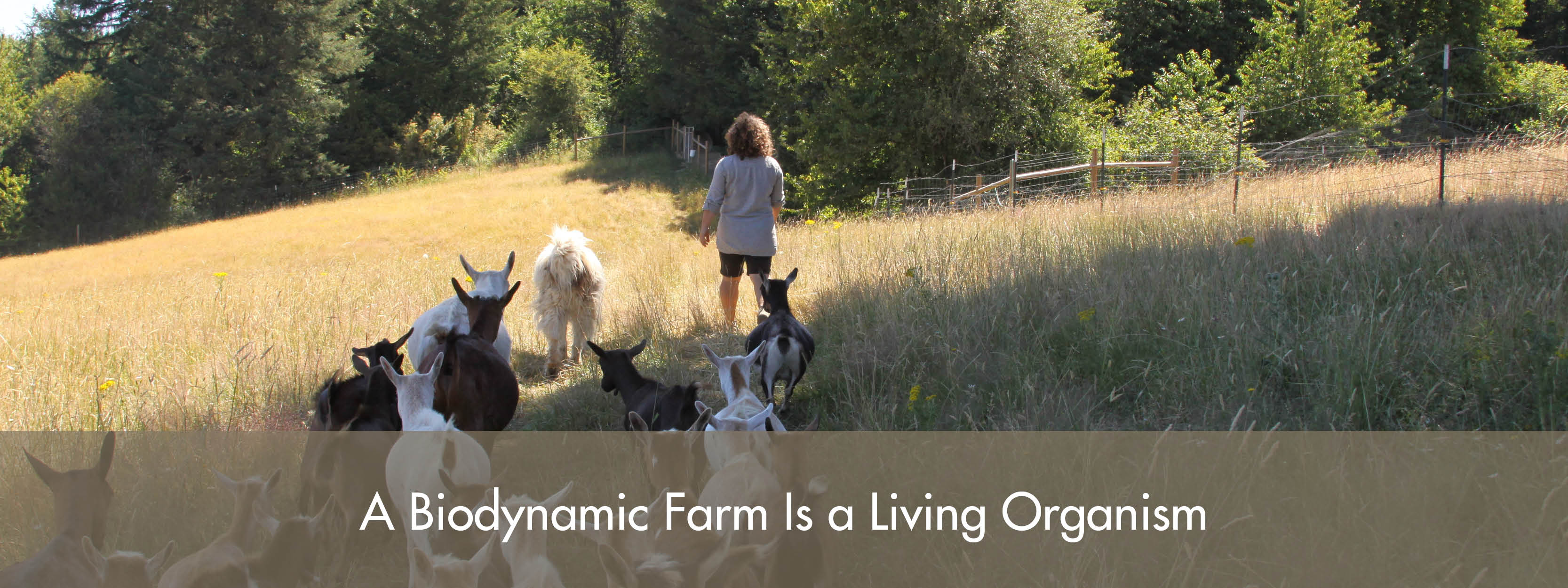
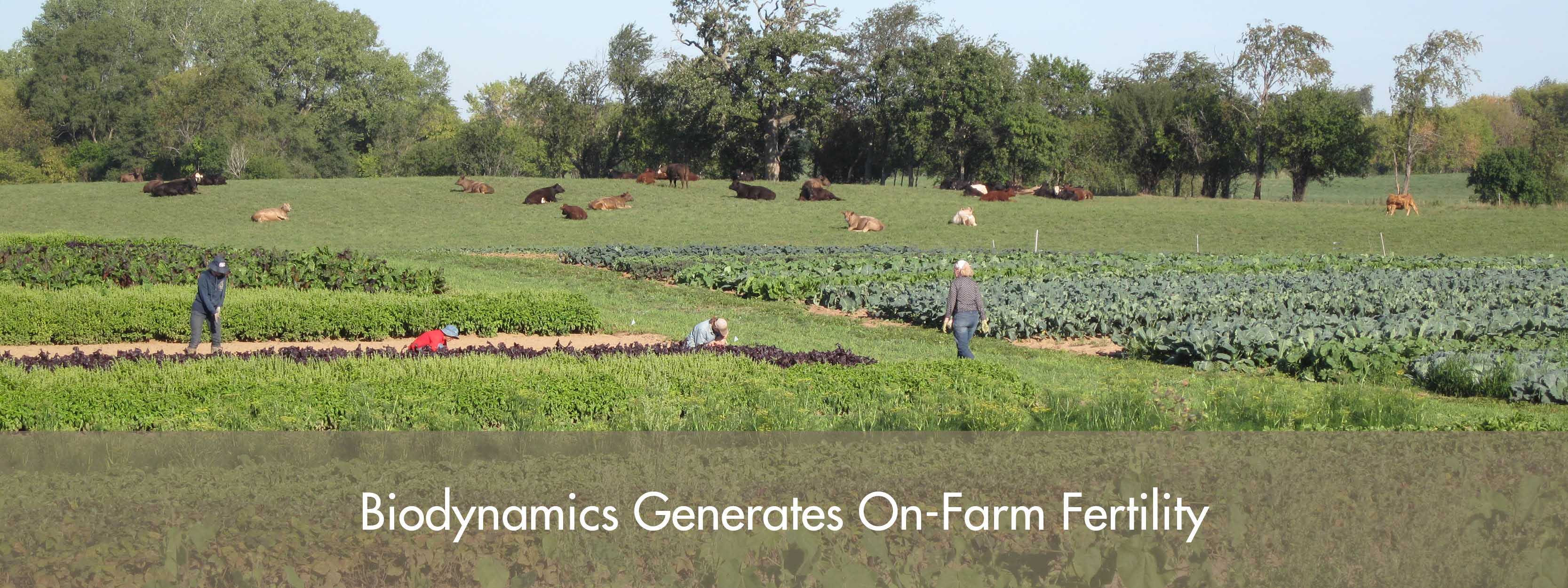
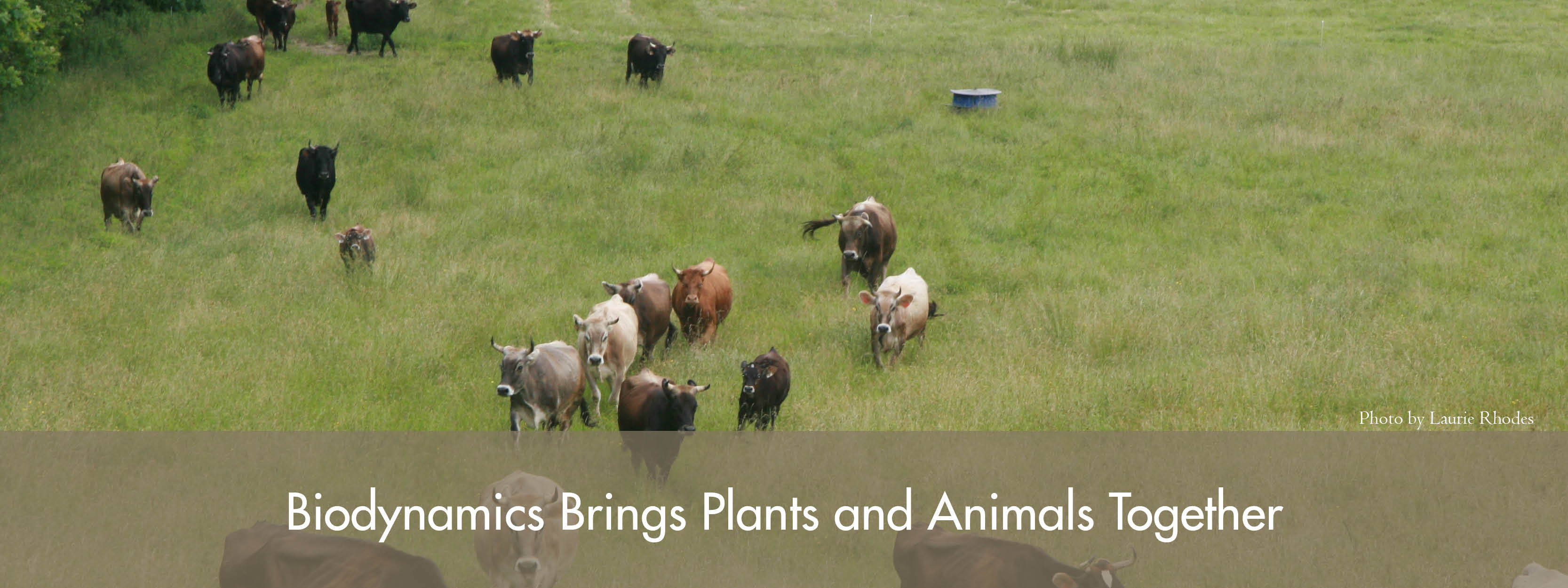
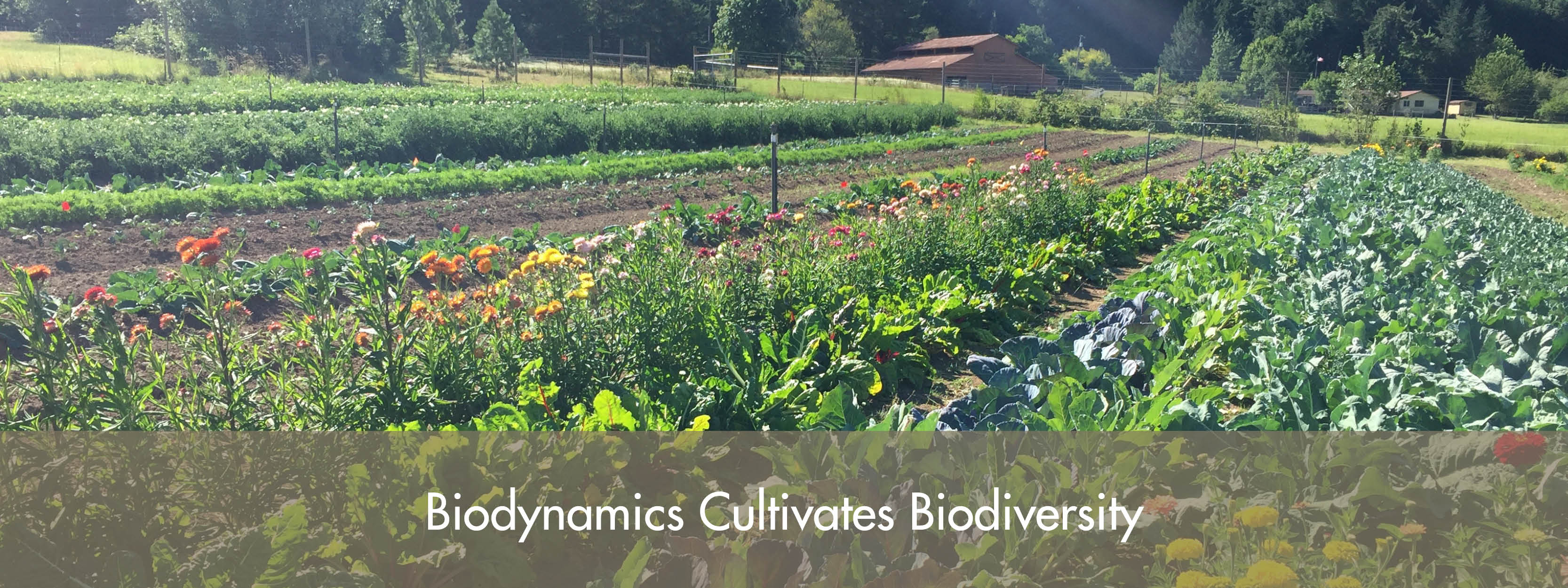
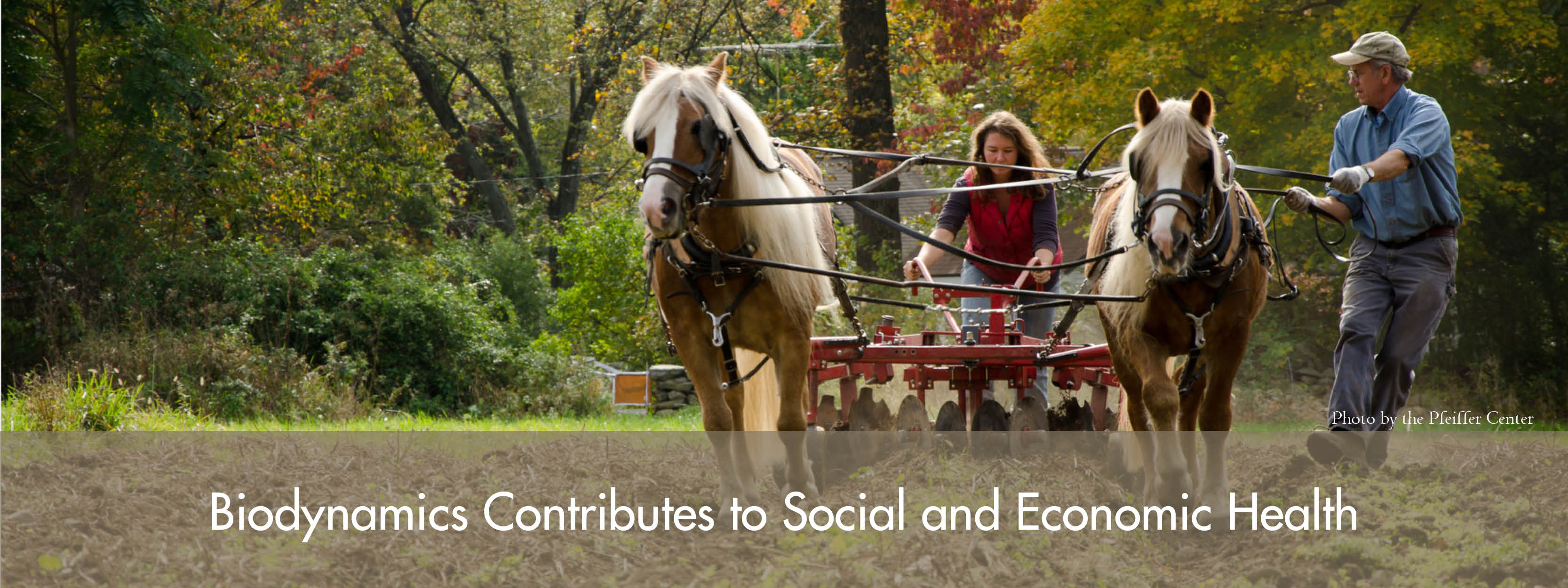

Biodynamics is rooted in the work of philosopher and scientist Dr. Rudolf Steiner, whose 1924 lectures to farmers opened a new way to integrate scientific understanding with a recognition of spirit in nature. Biodynamics has continued to develop and evolve since the 1920s through the collaboration of many farmers and researchers. Around the world, biodynamics is alive in thousands of thriving gardens, farms, vineyards, ranches, and orchards. The principles and practices of biodynamics can be applied anywhere food is grown, with thoughtful adaptation to scale, landscape, climate, and culture.
Discover Biodynamics
Biodynamic Principles & Practices
The Farm Individuality
Online or in person, wherever you live — pick the option that's best for you, from recordings to one-time webinars to cohort-based foundations training.
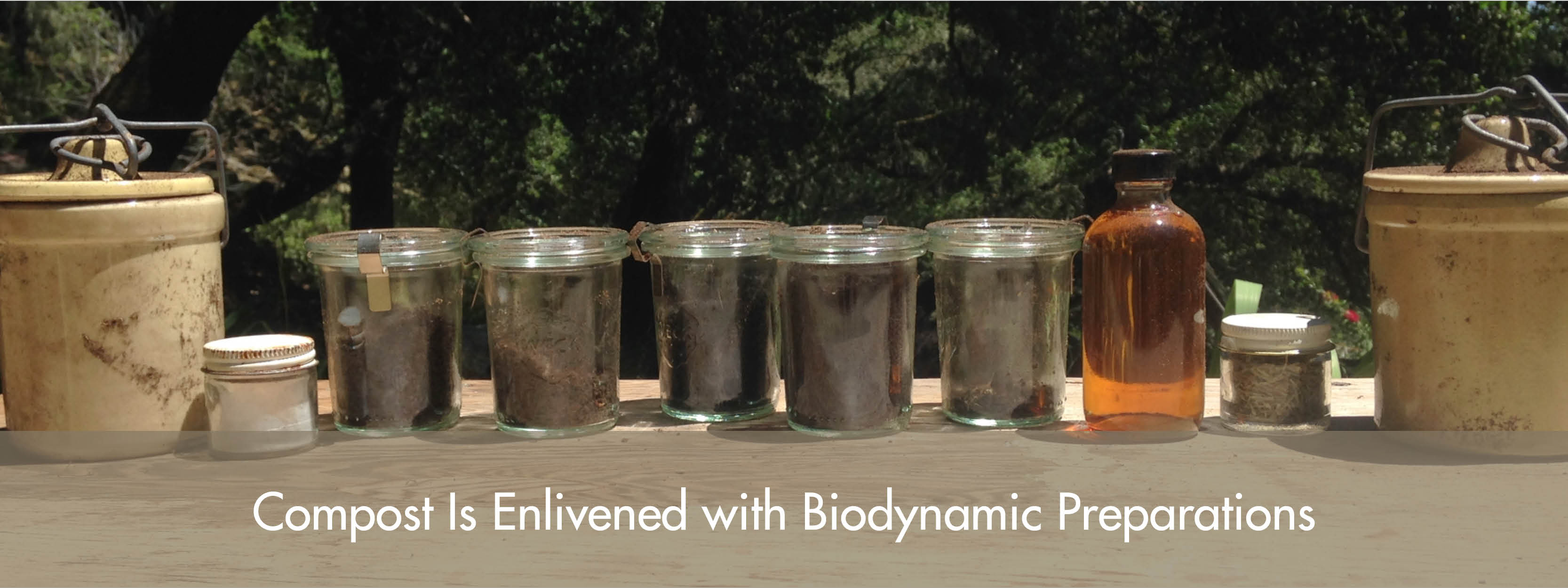
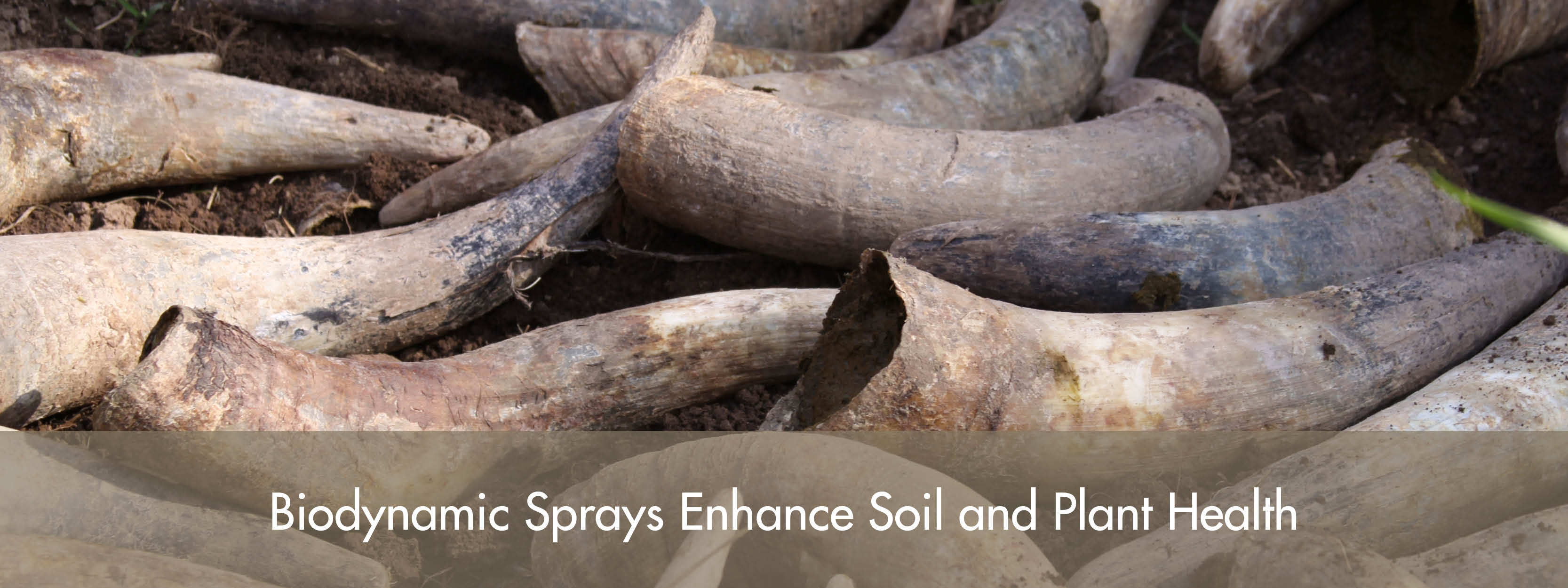
Biodynamic Preparations
Certification
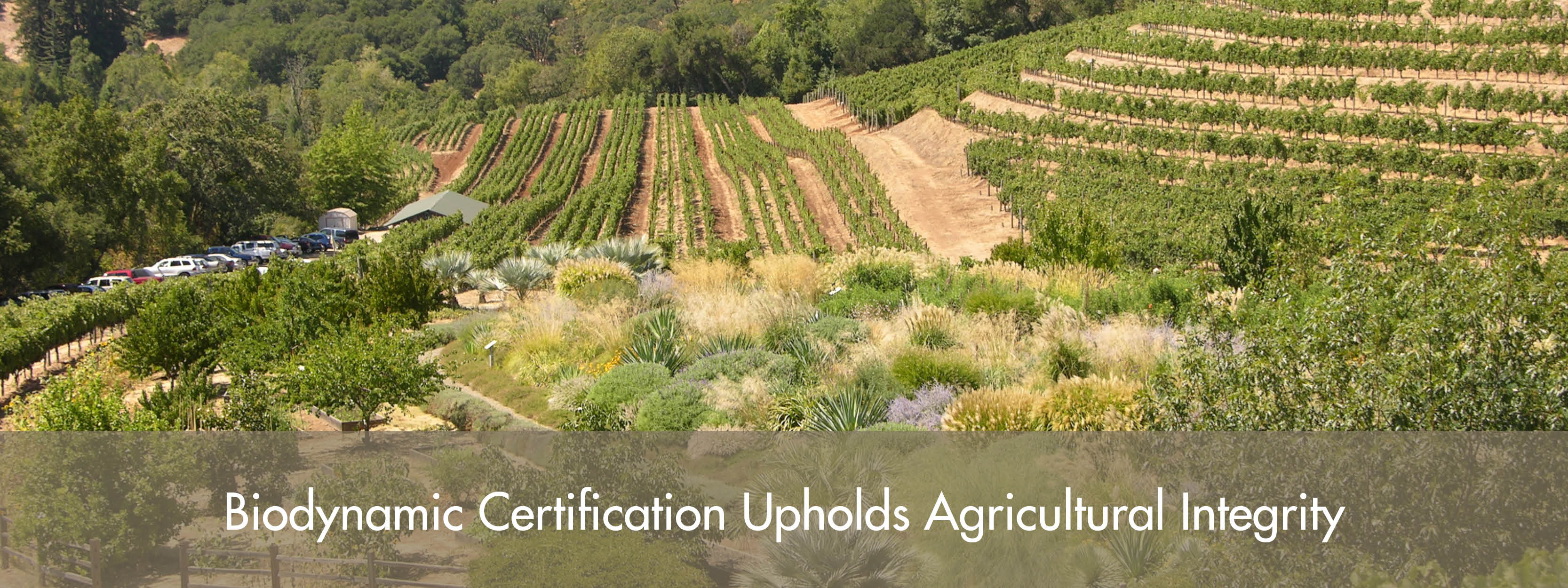
Biodynamic certification for farms and products is managed worldwide by Demeter International (link is external), in the United States by Demeter USA (link is external), and in Canada by Demeter Canada (link is external). Read the U.S. Demeter Biodynamic® Farm Standard (link is external) to learn more about the principles of this system and requirements for Biodynamic certification.
Community
Connect with others who share your interests through in-person and online events, and browse our online forums for job, internship, apprenticeship, and land opportunities. You're also welcome to post your own opportunities.
Regional groups also offer a great way to connect with others interested in biodynamics in your locale.
Explore & Connect
Join Our E-News
Education
Online or in person, wherever you live — pick the option that's best for you, from recordings to one-time webinars to cohort-based foundations training.
Membership
Join the creative, passionate, and diverse biodynamic community, and help to foster a healing agriculture for tomorrow, by becoming a member of the Biodynamic Association.
Benefits include the twice-yearly Biodynamics journal, one of the preeminent publications on biodynamics in the world — since 1941!
The Biodynamic Association (BDA) awakens and enlivens co-creative relationships between humans and the earth, transforming the practice and culture of agriculture to renew the vitality of the earth, the integrity of our food, and the health and wholeness of our communities. The BDA is a participatory, membership-based nonprofit organization that works to nurture the North American biodynamic movement as a diverse, collaborative, and thriving ecosystem. We aim to incubate strong leadership in the biodynamic community; grow the community of biodynamic farmers, ranchers, gardeners, and land stewards; communicate the powerful vision of biodynamics and the potential it holds for the Earth; and nurture the deep spiritual roots and insights of biodynamics.