
This is a complementary piece to "Tending to What Holds Us Farmland Ownership As a Spiritual Practice at S&S Homestead," by Darby Weaver, in the upcoming Winter/Spring 2026 issue of Biodynamics. The print journal will be available in April, as well as a digital version available to members online — along with other recent issues, historical articles, and videos.
Members, log in to access.
If you're not yet a member, you can join today to access online benefits immediately.
By Darby Weaver, The Farmers Land Trust
S&S Homestead Farm
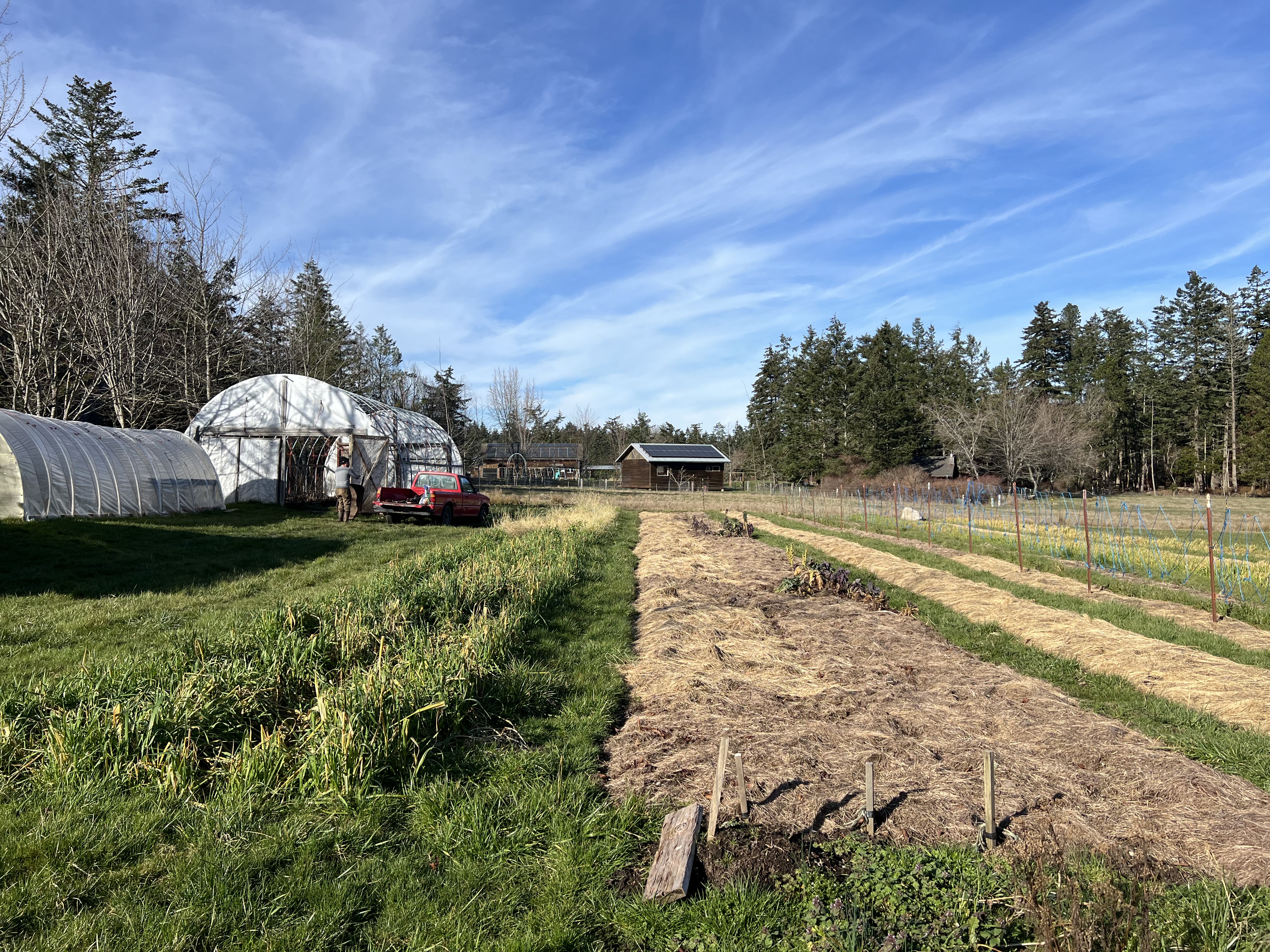
For over 50 years, the biodynamic community in the United States has been blessed with the work, writings, and teachings of Henning Sehmsdorf and Elizabeth Simpson. Their small farm, S&S Homestead, located on Lopez Island in Washington state, has been feeding their local community and educating people from all walks of life since 1970. Their application of the biodynamic principles in their work is evident in the vitality of their nutritious offerings and felt in the dynamic energy of their 22 acres. Over time, the farm has expanded to include vegetable gardens; greenhouses; orchards; beef and dairy pastures; barns; sheep, pig, and chicken runs; composting sites; and CSA fields. It also features a holistically designed water-catchment system with a pond, solar power for all farm needs (including the irrigation), a woodworking shop, and a processing and teaching kitchen equipped for food storage, canning, and dry goods, along with books, tools, and a seed library.
While spending years diligently building on their farm infrastructure and ecological systems, Elizabeth and Henning have also made it their personal mission to share their knowledge and experience far and wide. Drawing on their teaching skills as former professors, they have encouraged many to develop a deeper connection to the land and their food through internships and apprenticeships, educational opportunities, speaking events, workshops, and more. They have also honored the importance of staying involved in their local community and have served their region through participation in community boards, councils, and committees.
Today, S&S Homestead has scaled back its production, but is still producing 90 percent of the food they consume. As Henning nears his 89th birthday, they are faced with making arrangements for the future of their beloved farm. Their desire to be intentional about their relationship to the spirit of their land is something they are dedicated to seeing carried through into the next generation of stewards.
Elizabeth and Henning have shared concerns about the future of their farm, of the planet, and of agriculture in the United States. This is why Henning chose to write his book Fifty Years of Biodynamic Farming: Essays from the Field. Henning explains, “I am concerned that biodynamics in America is being adjusted to the American worldview and is losing its foundation in spirituality. I wanted to put together a book that emphasized, through many different applications, what it means to farm for spiritual reasons. This is not a religion. It is simply the recognition that spirit is everywhere, and it is present in everything we do from morning to night, from how we treat everything—from the soil to the animals, and the human community.”
A Lifetime of Stewardship
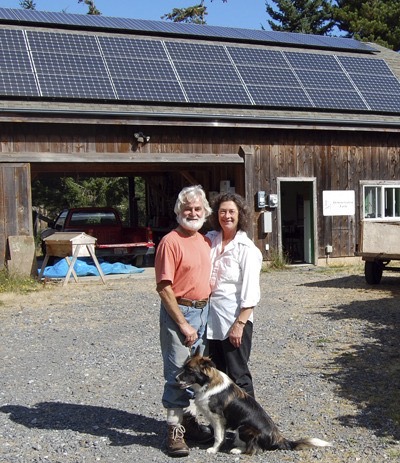
The deep connection to spirit at S&S Homestead has led to the formation of a singularly special place. This community pillar, a true legacy biodynamic farm, has reached the vulnerable transition season experienced by all elder farmers as their years working the land come to an end. Today, Henning and Elizabeth are poised and ready to take action to preserve their lifetime of stewardship, knowing how easily and how often small farms are lost to development and decay. Elizabeth notes, “As you know, small farms are disappearing very quickly, and we look at this place as a refuge. We want as many people to know as possible that this can be done. I wrote an essay in our book called “The Viable Family Farm” that explains how people who are creating and sustaining small farms are creating something that is essential.”
The essential gifts of a sustained small farm are numerous and expansive. Where an ecologically managed farm can thrive in place, the people and the environment benefit, and those benefits spread as the years pass. When we think about all the incredible elders in the biodynamic farming community with their uniquely beautiful and bountiful creations on the landscape, we need to consider what it would mean for these established operations to be lost.
The Nuances of Farm Succession
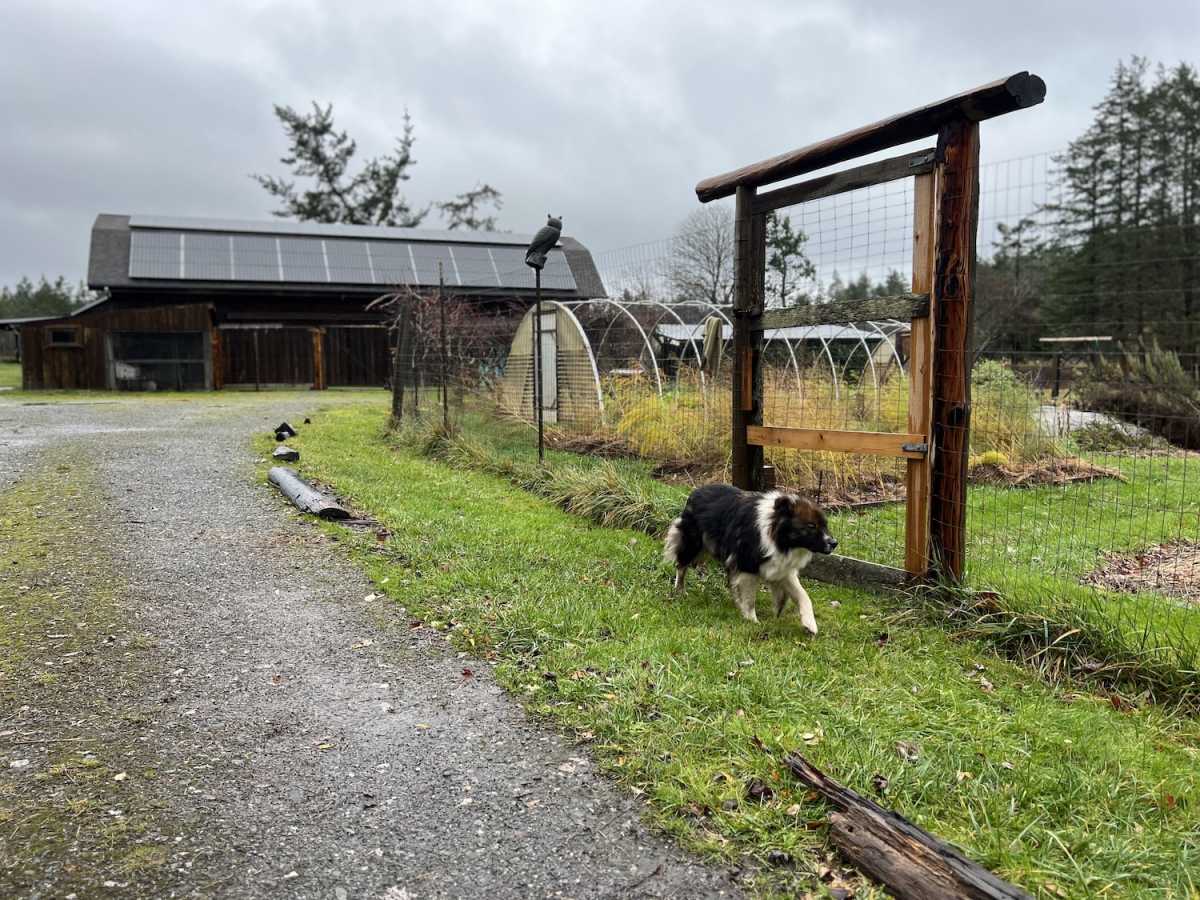
To prevent this from happening to S&S Homestead and to protect and preserve the abundance of spirit engaged on the land, Elizabeth and Henning have decided to work with The Farmers Land Trust to donate their farm into the Farmland Commons to ensure the continuation of their legacy. Henning and Elizabeth, like many farm elders, don’t have family members ready or interested in taking over the farm. Henning explains, “We’ve always said that our children could inherit the farm, only if they were willing to work the farm in the same spirit it has been worked for the last 50 years. So far, neither my son nor my daughter have been willing to do that; they have other fish to fry.” This led Elizabeth and Henning to consider bringing on next-generation farmers from the biodynamic community, but the surprise birth of their granddaughter Charlotte made things a little more complicated. Henning continues, “We want to keep the option open for my granddaughter to take over the farm. She is quite young yet and may want to be a ballerina or a street person; what do we know? Regardless, we want to give her the option to return.”
This provision is nuanced, and Kristina Villa and Ian McSweeney of The Farmers Land Trust knew they would need to bring on a knowledgeable lawyer to help navigate the legal framework for this possibility to take form. Ian and Kristina brought in Anastasia Maier of the Land Clinic to draft the legal documents that would secure the possibility of Charlotte’s future with the land should she choose to train in biodynamic farming and take over the operation. They also worked together to ensure that whoever took over in the future would continue to use biodynamic practices as a requirement of the lease.
Anastasia also helped Henning and Elizabeth forge a path toward not only living their lives out on their cherished farm through a life estate but also secured their rights to be buried on the land at the time of their passing. Henning recounts, “The other organizations we approached told us that they couldn’t do that, and when we were ready to retire, they would build us a little house in the village, and we could go and live there. This would make the house on the farm available to the incoming farmers. They proposed this to us, and Elizabeth just burst into tears and said, ‘This is my home, and we are up to our kneecaps, rooted into the soil.’ The idea that we should be leaving here and as elders have nothing to contribute anymore to the farm is insufferable.”
The Farmers Land Trust understands the complexity of these transition seasons on farms and is equipped to handle the human challenges that hold them back or prevent them from occurring at all. We acknowledge that the biggest barriers to preserving regenerative, working farms come from a lack of compassion, patience, flexibility, and perseverance in the modern real estate industry. We hope that by supporting the needs and desires of our elder generations and preserving the land in community ownership, safe from the speculative real estate market, we can maintain the ecological and spiritual integrity of the farm while empowering a new generation of stewards, who are vetted, valued, and protected in perpetuity. We are dedicated to the essential work of stopping the unraveling of our agricultural heritage and are committed to continuing the story of small farms for generations to come.
Elizabeth affirms, “The Farmers Land Trust is so flexible. When things happen suddenly, as they tend to in life, like the birth of our granddaughter, they immediately assured us that we could work that in. When we have meetings about the latest set of documents that have been written, we know that they will either accommodate our requests outright or explain clearly what the ramifications of certain decisions could be down the road, or why they need to do things a certain way based on the best practices of the organization.”
Creating the San Juan Islands Farmland Commons
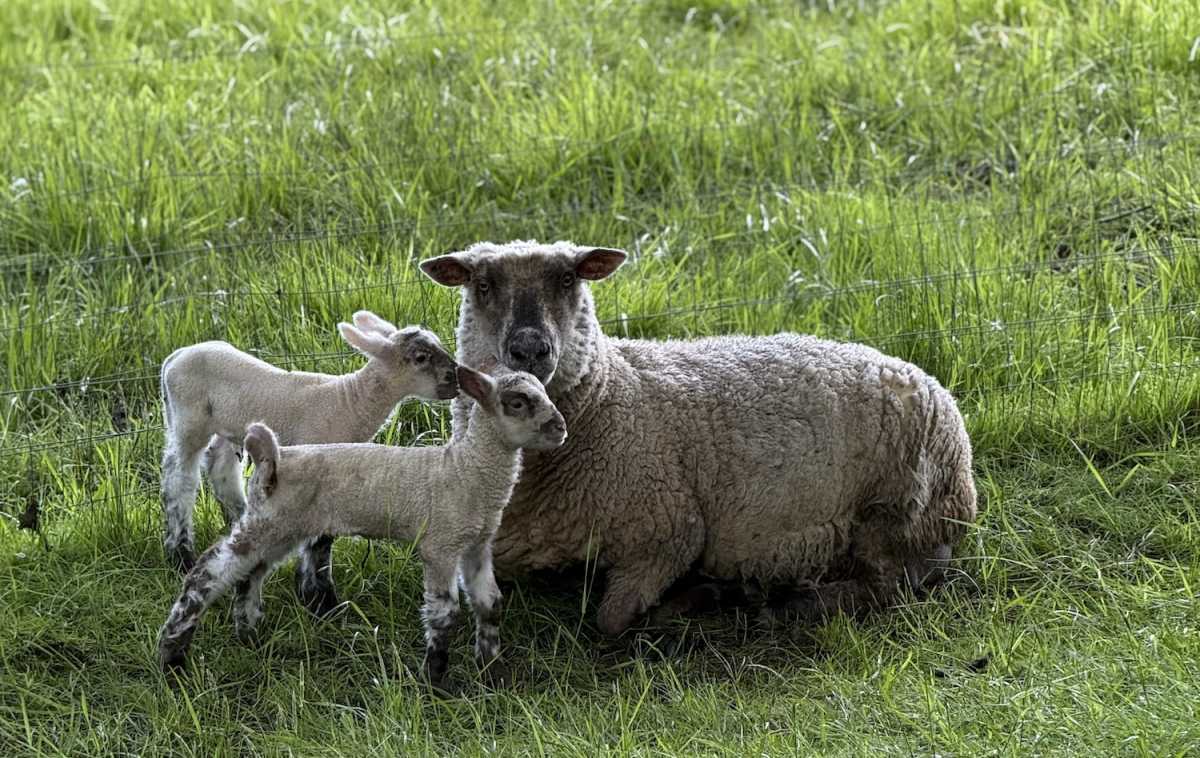
To protect the legacy of S&S Homestead, fulfill the wishes of Elizabeth and Henning, and honor their lifetime of contributions on the land and in the biodynamic community, and to ensure a biodynamic future for the farm, The Farmers Land Trust is partnering with aligned organizations to create the San Juan Islands Farmland Commons. This Farmland Commons will be a community-centered, democratically run, limited-scope 501(c)(25) nonprofit established to hold title to farmland, and convey secure, affordable lease tenure to next-generation farm stewards.
What is the San Juan Islands Farmland Commons?
The donation of S&S Homestead from Henning and Elizabeth will seed the San Juan Island Farmland Commons, which will hold land in community ownership and be managed by an elected board. The land will be made available to next-generation farmers who meet the requirements of the land transition documents agreed upon by Henning and Elizabeth and The Farmers Land Trust, through a lease. The farmers will be granted secure, affordable tenure; will be given autonomy to farm the land; and will hold a seat on the Farmland Commons board.
What are the unique provisions secured for S&S Homestead by The Farmers Land Trust?
Every farm situation is unique. The Farmland Commons are built with frameworks containing the special accommodations necessary in each situation. Some of the distinct provisions secured for the San Juan Islands Farmland Commons include:
- A life estate for Henning and Elizabeth, which gives them the right to live the remainder of their lives on the farm
- The requirement of future biodynamic stewardship of the land
- The option for both of Henning’s children to farm the land if they wish, after committing to biodynamic methods and completing training in the practice
- The opportunity for Charlotte to take on the farm between the ages of 18 and 25, should she choose, after committing to biodynamic methods and completing training in the practice
How can you get involved?
To get involved in the San Juan Islands Farmland Commons, you can:
- Stay informed about the ongoing process of the formation of the Commons by signing up for the San Juan Islands Farmland Commons Newsletter
- You can make a one-time or monthly tax-deductible donation today
Carrying Biodynamics Forward
As farmland is lost, ecological degradation spreads, and the secularization of our society and belief systems robs us of our inherent spiritual connection to all things, we face many difficult possible futures for our shared planet. What we choose to do today will not only define the spirit and intention of our generation on this Earth for eternity, but it will also define the experience of our children and grandchildren in the uncertain years to come. It has never been more important for us to protect our thriving landscapes and support the wisdom keepers who can show us the way to a more verdant and prosperous world. It is never too late to recommit to the well-being of all through reconnection to our living planet.
Do you have a farm or know of an elder farmer who is looking for a way to transition their biodynamic farmland to the next generation? Reach out to us at The Farmers Land Trust today by calling (833) 432-7658 or by sending us an email to info@thefarmerslandtrust.org.